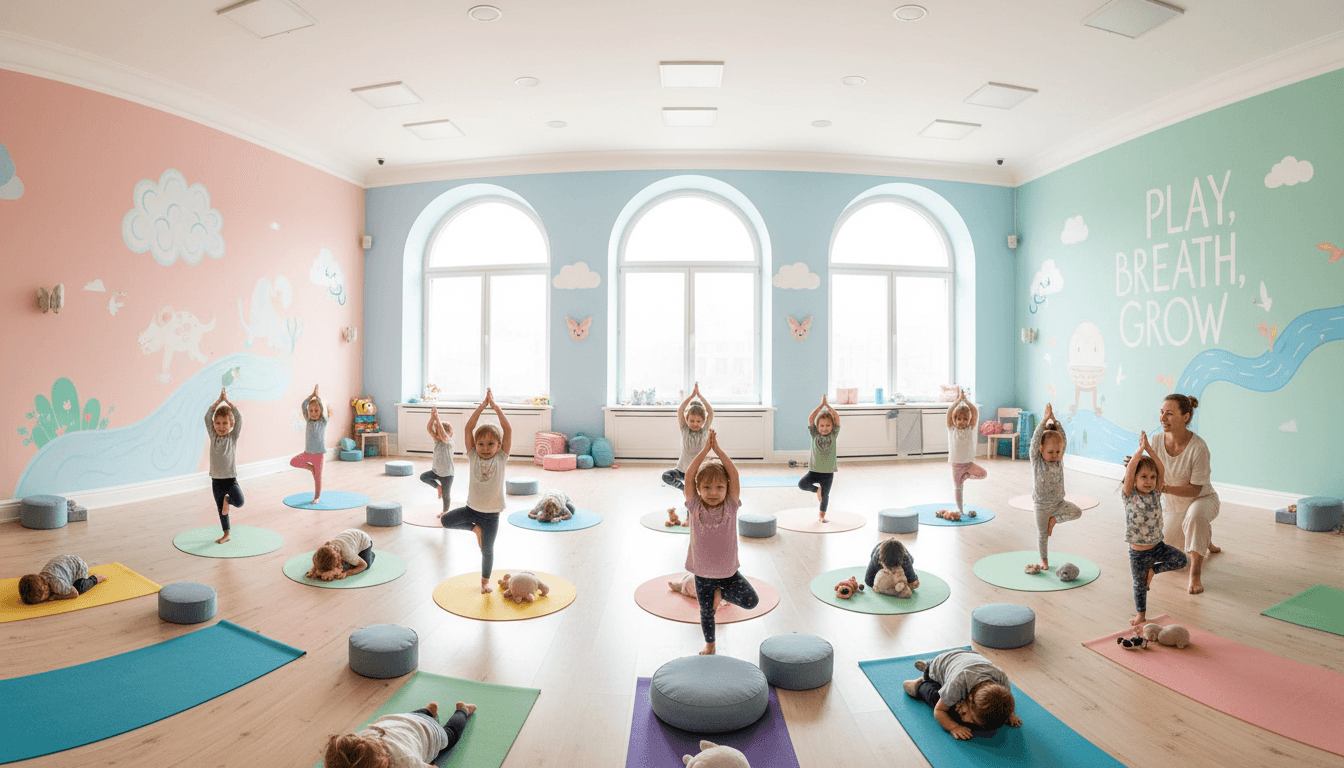

Mindfulness for foster youth builds self-confidence and emotional resilience by teaching children how to regulate their nervous systems through intentional breathwork. These grounding techniques provide a sense of internal stability; they empower youth to navigate life transitions with greater composure and personal agency.
Living in the foster care system often means navigating a state of perpetual hypervigilance where the external world feels unpredictable and out of reach. For many youth in transition, the lack of control over their circumstances manifests as chronic stress, making it difficult to find a sense of inner safety or stability. While traditional support systems are essential, these young people also require practical, somatic tools to regulate their emotional responses in real time. Mindfulness, specifically through targeted breathwork, offers a bridge between trauma recovery and personal empowerment. This article explores the physiological impact of breathwork on the nervous system, provides three accessible techniques for daily use, and discusses how mindful movement builds self agency. By grounding these practices in the needs of our Washington, DC community, we can help foster youth move beyond survival toward a life of confidence and calm.
The Intersection of Trauma and Mindfulness for Foster Youth
The psychological landscape for young people navigating the foster care system is often shaped by a persistent need for hyper-vigilance. Chronic instability, characterized by frequent changes in housing or caregivers, conditions the nervous system to remain in a state of hyper-arousal. In this biological survival mode, the brain is constantly scanning for threats, making it difficult to find rest or focus. This state is not a choice, but a sophisticated physiological adaptation to environments where safety was once inconsistent.
When implementing mindfulness for foster youth, it is essential to pivot away from generic wellness tropes that may inadvertently trigger distress. For a young person who has experienced trauma, the suggestion to quiet the mind or close one's eyes can feel profoundly unsafe. Silence often allows intrusive thoughts to surface, while closing one's eyes involves a vulnerable surrender of environmental awareness. A trauma-informed approach instead prioritizes bodily autonomy and psychological safety, ensuring the individual always feels in control of their practice.
At Let's Heal Together, we view mindfulness and breathwork resources as tools for empowerment rather than mere relaxation. We focus on the breath because it serves as a tangible, physical anchor in the present moment. Unlike abstract thoughts, the sensation of air moving through the lungs is concrete and controllable. This focus provides a sense of stability that is often missing from their external lives. By integrating these practices into life-transition coaching for foster youth, we help them build a foundation of self-awareness. This steadying of the internal environment is a vital component of holistic healing for emotional grounding, allowing them to navigate the complexities of their transition to adulthood with a greater sense of agency.
The Physiology of Resilience: How Breathwork Regulates the Nervous System

Building on the idea of the breath as a physical anchor, it is helpful to understand the biological mechanism that makes this tool so effective. The human nervous system is divided into two primary branches: the sympathetic, which prepares the body for fight or flight, and the parasympathetic, which facilitates a state of rest and digest. For youth who have navigated the foster care system, the sympathetic nervous system is often chronically activated. This biological state results in elevated cortisol levels, a racing heart, and shallow chest breathing. Breathwork acts as a manual override for this system, allowing the individual to bypass the stress response and trigger a sense of calm from the inside out.
At the center of this process is the vagus nerve, the longest cranial nerve in the body. It serves as a communication highway between the brain and major organs, including the heart and lungs. When a young person practices deep, diaphragmatic breathing, the physical movement of the diaphragm stimulates the vagus nerve. This stimulation sends an immediate signal to the brain that the immediate environment is safe. Consequently, the heart rate slows, blood pressure stabilizes, and the brain moves out of survival mode and into a state where logic and emotional regulation are possible. This shift is a fundamental component of holistic healing for emotional grounding.
For a young person navigating transitions, this biological shift provides something often missing from their lives: a sense of agency. While they may not be able to control their living situation or the timeline of their case, they can control their physiological response to stress. By utilizing mindfulness and breathwork resources, they learn that they carry a toolkit for regulation wherever they go. This internal mastery is essential for life-transition coaching for foster youth, as it transforms mindfulness for foster youth from a passive concept into an active, empowering skill for daily survival and long term resilience.
3 Simple Breathwork Techniques for Youth in Transition

Understanding the mechanics of the vagus nerve provides the necessary biological context, yet the true power of these concepts lies in their practical application. The following techniques are designed to be portable and discrete; they can be utilized in a social worker's office, a new classroom, or a crowded bus without drawing unwanted attention. For young people in the foster system, these exercises offer a reliable way to regain internal control when external environments feel unpredictable.
1. The Anchor Breath - Instructions: Sit or stand comfortably with a soft gaze. Place one hand on the center of the chest and the other on the upper belly. Simply notice the gentle rise and fall under the palms. There is no need to change the rhythm; focus entirely on the physical sensation of the air moving in and out of the body. - The Why: This technique is designed for focus. It provides a tactile, physical anchor to the present moment, which is vital when anxiety begins to pull the mind toward the past or future. This practice is a cornerstone of holistic healing for emotional grounding, as it reconnects the individual to their immediate physical presence.
2. Square Breathing - Instructions: Inhale through the nose for a count of four. Hold the breath for four counts. Exhale slowly through the mouth for four counts. Hold the empty breath for four counts. Repeat this cycle four times. - The Why: Square breathing is used for immediate de-escalation. The cognitive task of counting, combined with the controlled breath, forces the brain to pivot away from a hyper-aroused state. Integrating this method into mindfulness for foster youth provides a structured, rhythmic framework that can stop a panic response before it escalates.
3. Pursed Lip Breathing - Instructions: Inhale slowly through the nose for two counts. Purse the lips as if preparing to whistle or blow through a straw. Breathe out through the pursed lips for a count of four or more, ensuring the exhale is significantly longer than the inhale. - The Why: This technique is specifically for physical calm. By extending the exhale, the body naturally lowers the heart rate and reduces the physical workload of the respiratory system. Accessing these mindfulness and breathwork resources allows a young person to regulate their heart rate in real-time.
These techniques are foundational elements in life-transition coaching for foster youth. By mastering these three simple tools, individuals build the internal stability necessary to navigate the complexities of their transition to independence.
Developing Self-Agency Through Mindful Movement and Awareness
Transitioning from the stillness of breathwork to the intentionality of movement allows a young person to expand their sense of control. In practices like Yoga and Pilates, the focus shifts to how the body occupies space and responds to physical challenge. For many, the foster care experience involves a loss of autonomy over their physical environment and even their own bodies. Engaging in mindful movement becomes a radical act of self-care; it is a process of reclaiming the body as a safe, capable, and private home.
Physical mastery in a Pilates sequence or a Yoga flow translates directly into psychological confidence. When a young person learns to stabilize their core or find balance in a difficult posture, they are training their brain to stay present during discomfort. This resilience is a critical component of holistic healing for emotional grounding. As they approach the significant milestone of aging out of the system, this internal stability becomes their most reliable asset.
These mindfulness and breathwork resources provide more than just stress relief. They build the self-agency required to navigate the complexities of adult life, such as securing housing or managing employment. By integrating movement with life-transition coaching for foster youth, we help them move from a state of survival to one of active participation in their own lives. Practicing mindfulness for foster youth through movement ensures that as they step into adulthood, they do so with a grounded sense of self and the physical confidence to advocate for their own needs.
Supporting Foster Youth in the Washington, DC Community

Navigating the transition to adulthood within Washington, DC, presents a unique set of challenges for youth in the foster care system. The fast paced environment of the District, combined with the high cost of living and the complexities of local social services, can intensify the pressure of aging out of care. For young people in neighborhoods such as Columbia Heights or Anacostia, finding safe, neutral community spaces is vital for practicing the tools of self regulation they have acquired. These spaces serve as more than just physical locations; they are environments where a young person can step away from the pressures of their case file and focus entirely on their personal growth.
Let’s Heal Together recognizes that while clinical support is necessary, it often leaves a gap in the practical, daily application of wellness. We bridge this divide by offering targeted life-transition coaching for foster youth. These programs are specifically designed to help individuals navigate the path to independence, providing a structured approach to adulthood that incorporates mindfulness for foster youth. By integrating mindfulness and breathwork resources into their daily routines, young people learn to approach housing searches, job interviews, and financial management from a place of internal stability.
Our coaching focuses on long term sustainability and self agency. We provide holistic healing for emotional grounding that complements traditional therapeutic models, ensuring that young people in the DC foster system have access to a comprehensive toolkit. By establishing a presence in the local community, we help foster a network of support that moves beyond the administrative, prioritizing the self awareness and confidence needed to thrive as an adult in the nation's capital.